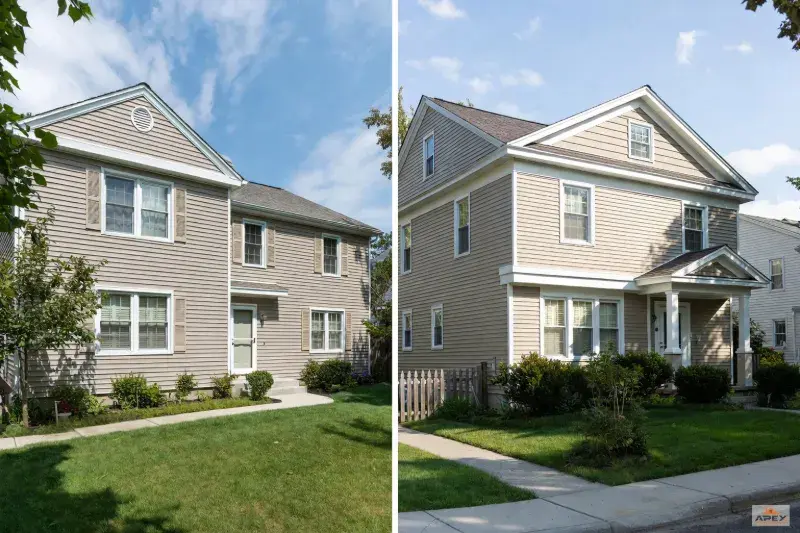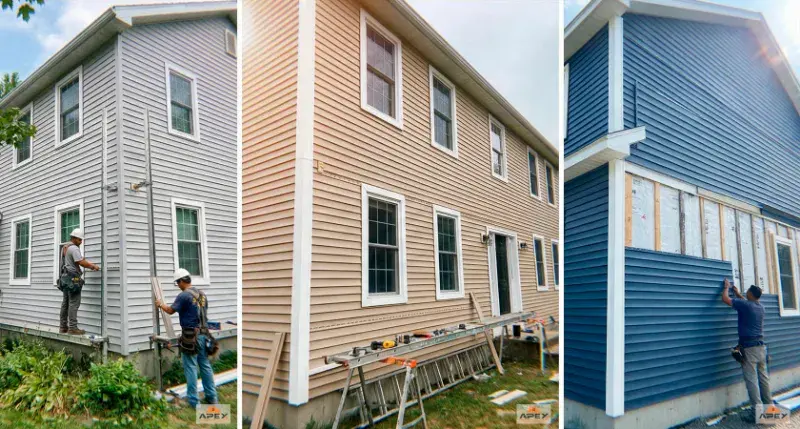
Short answer: Vinyl is the most common and affordable siding in the Capital Region. Fiber cement is more durable but costs more and needs paint. Wood needs the most upkeep. Any siding needs a water-resistive barrier and flashing under the NY State code.
Choosing siding is about more than color. In the Capital Region it has to handle snow, ice, freeze-thaw cycles, humid summers and wind-driven rain – and it has to be installed in line with the building code. This guide compares the most common siding materials and explains the code basics in plain language.
Building code basics
Homes in New York State outside New York City are built under the New York State Uniform Fire Prevention and Building Code. Its residential code is based on the International Residential Code (IRC). A few rules matter most for siding:
- A water-resistive barrier is required behind exterior wall coverings, with flashing at windows, doors and other openings.
- Products must meet recognized standards. For example, vinyl siding is expected to be certified to ASTM D3679, and fiber cement siding to ASTM C1186.
- Manufacturer instructions matter. Codes rely on them for fastening, clearances and wind ratings.
- Permits vary by town. Whether re-siding needs a permit depends on your municipality, so check with the local building department.
This is a general overview, not legal or code advice. Your local building department has the final word.
Siding materials compared
Vinyl siding
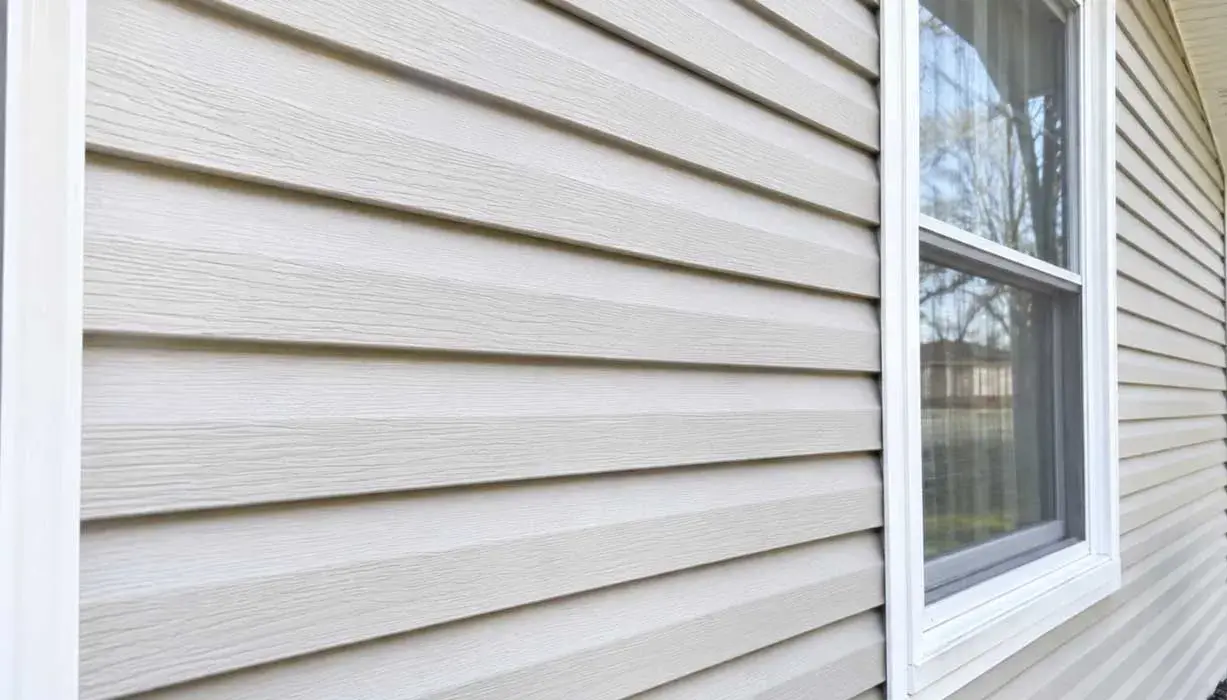
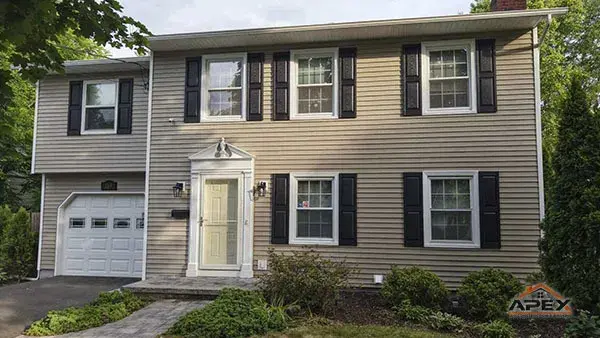
The most popular choice in the area. Pros: affordable, no painting, resists moisture and rot, easy to repair panel by panel. Cons: can crack from impact in freezing weather, can fade over time, and needs proper installation to avoid buckling.
Fiber cement siding
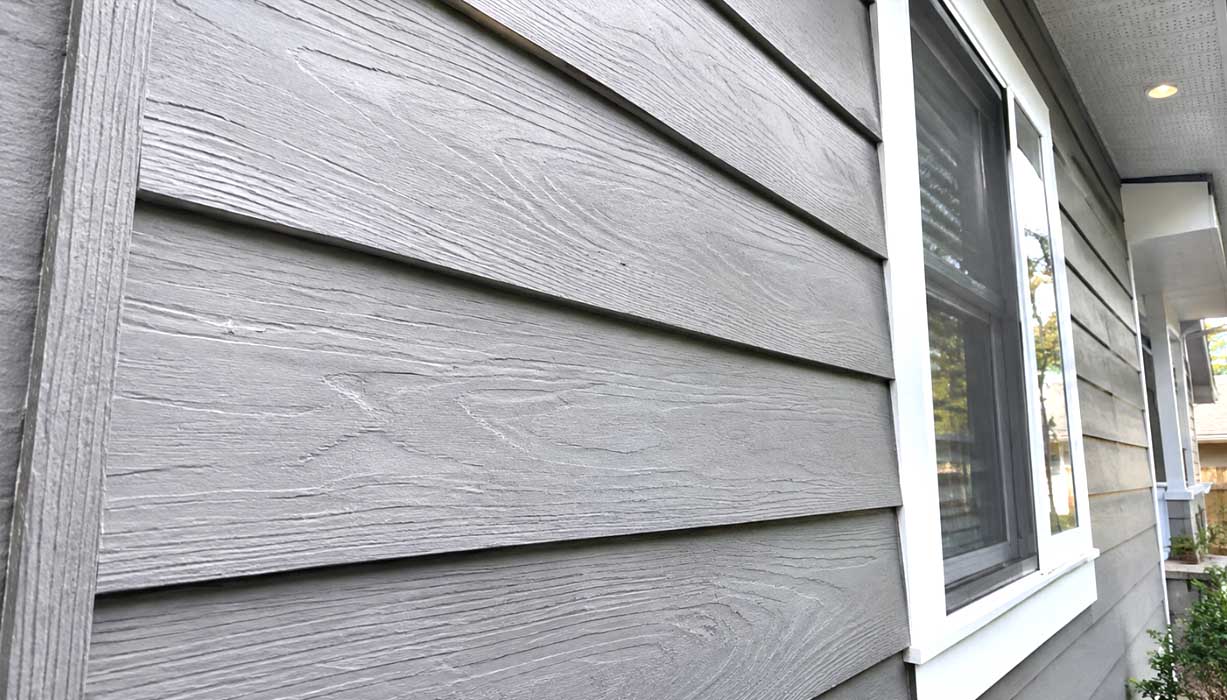
Pros: very durable, doesn’t rot, resists fire and impact, can look like wood. Cons: heavier and more labor-intensive to install, needs repainting over time, higher cost.
Wood siding
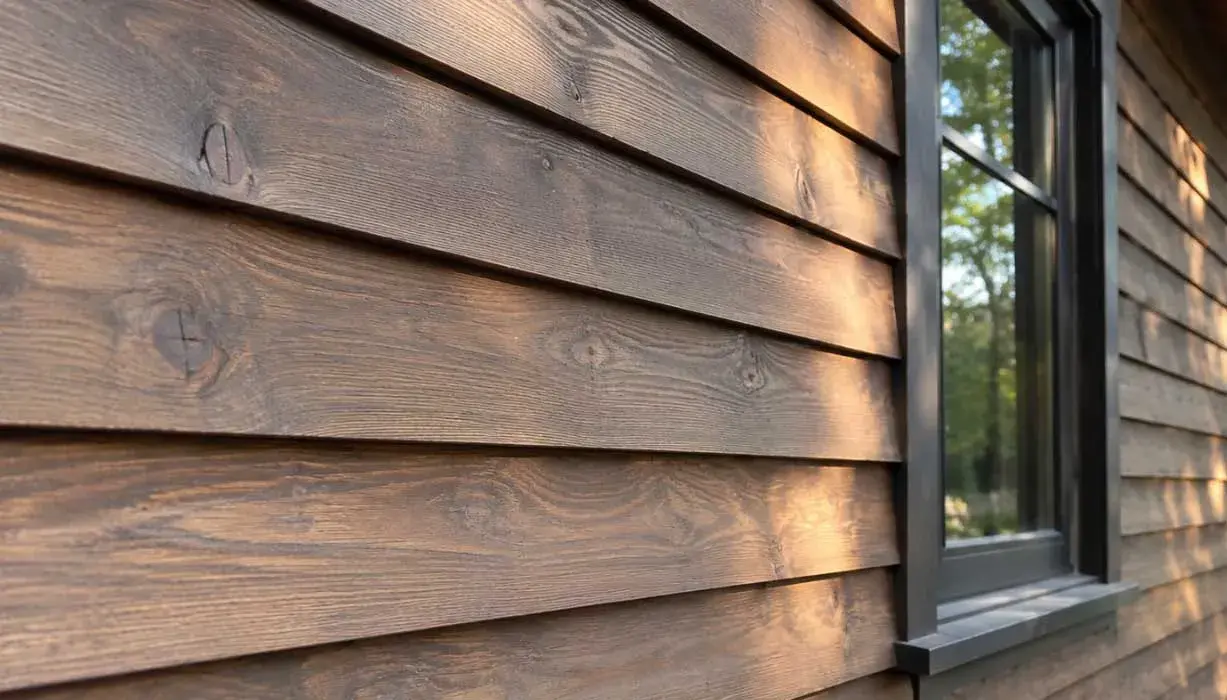
Pros: classic look, fits historic homes. Cons: needs regular painting or staining, can rot and attract insects in a wet climate.
Brick and stone veneer
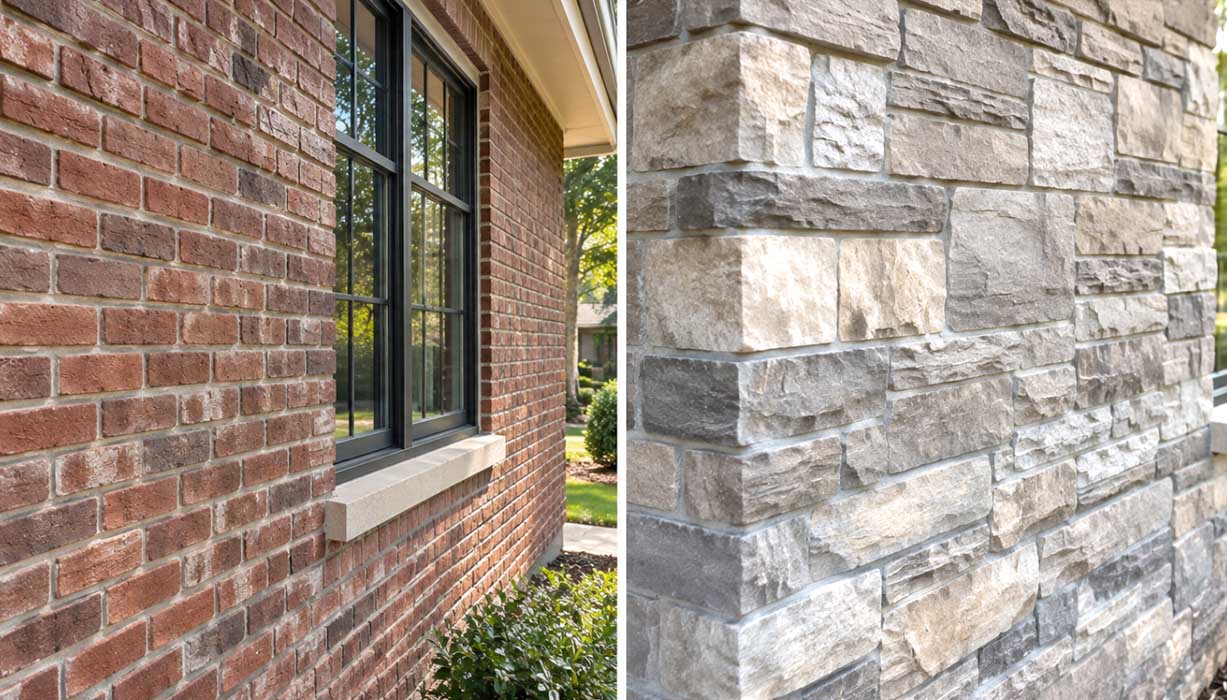
Pros: very durable and low maintenance. Cons: high cost, requires proper drainage space and flashing behind it, mortar may eventually need repointing.
Stucco and EIFS
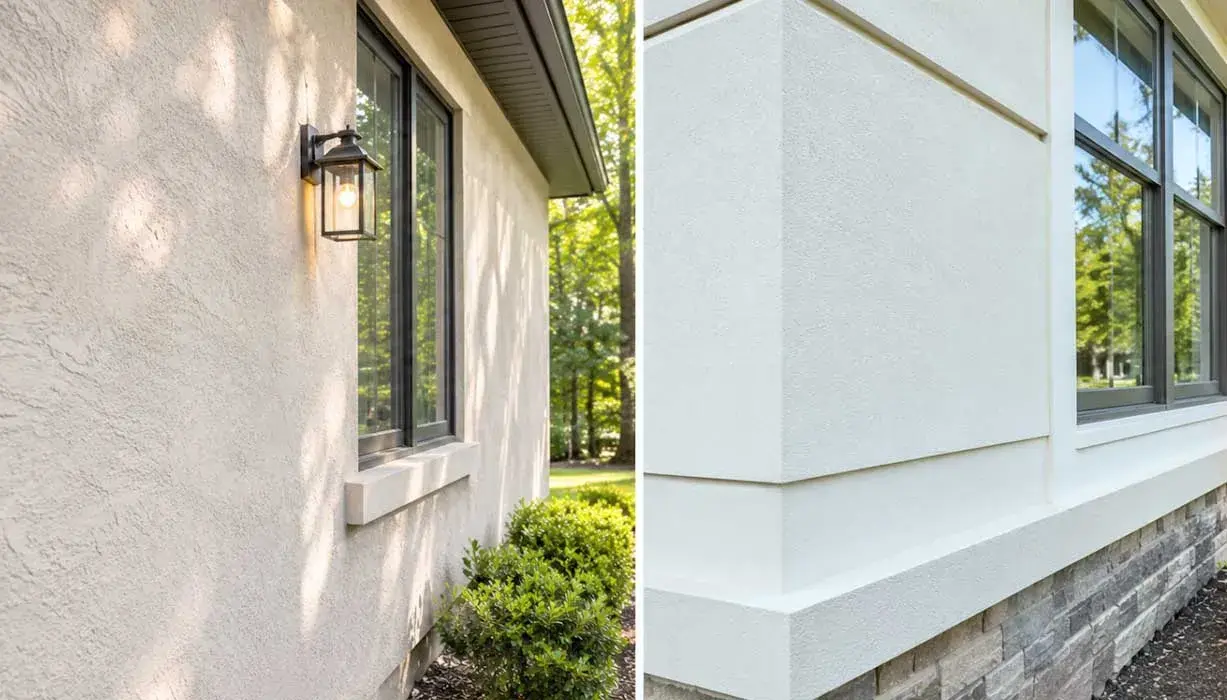
Pros: seamless look. Cons: sensitive to installation quality and drainage detailing; trapped moisture can cause hidden damage in a freeze-thaw climate.
Aluminum siding
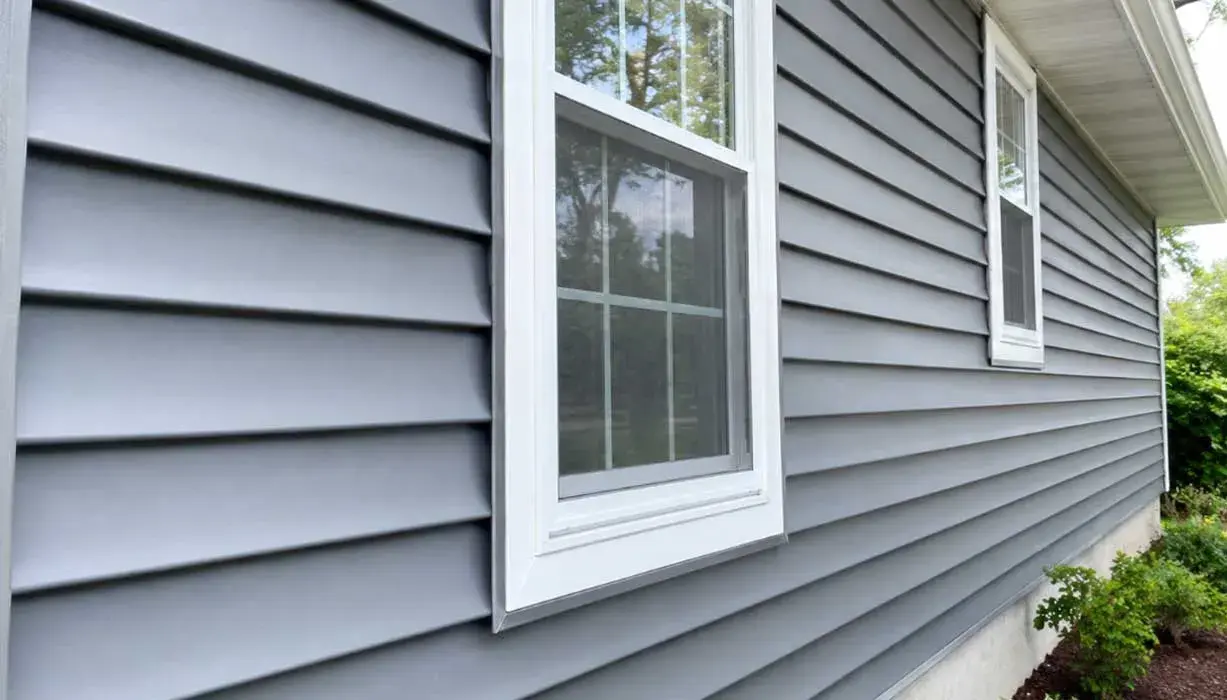
Common on older Capital Region homes. Pros: doesn’t rot or burn. Cons: dents easily, chalks and fades, and matching panels can be hard to find. Many homeowners replace it with vinyl.
Replacing old siding? We install vinyl siding and can replace old aluminum or wood siding.
Get My Free EstimateQuick comparison
| Material | Upkeep | Cold-climate notes | Cost per sq ft |
|---|---|---|---|
| Vinyl | Low | Brittle on impact in freezing weather | $3–$11 |
| Aluminum | Low–medium | Dents; matching panels hard to find | $3–$7 |
| Wood | High | Needs paint; can rot in wet conditions | $2–$15 |
| Fiber cement | Medium | Durable; needs careful sealing and paint | $5–$14 |
| Stucco / EIFS | Medium | Drainage details are critical | $6–$15 |
| Brick / stone veneer | Low | Needs drainage space and flashing | $6–$30 |
Typical installed cost per sq ft from 2026 cost guides (Angi, Fixr, This Old House); the vinyl range is for New York State. Removal of old siding, trim and insulation are extra. Not a quote – your price depends on the house and the product.
Repair or full replacement?
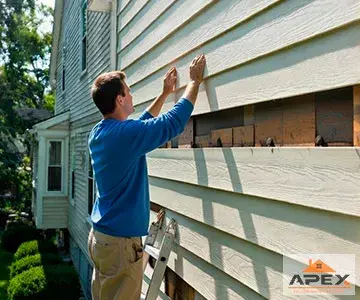
If only part of the siding is damaged and matching panels are available, a repair is usually the most cost-effective option – see siding repair. If the siding is failing on most walls or you’re replacing old aluminum or wood, full replacement makes more sense. See our siding installation service.